


Sylvester Stallone Opens Up on Developing an Eating Disorder While Filming ‘Rocky’ and ‘Rambo’
Sylvester Stallone Opens Up on Developing an Eating Disorder While Filming ‘Rocky’ and ‘Rambo’

Lauren Manaker M.S., RDN, LD, CLECTue, September 29, 2026 at 4:26 PM UTC
0
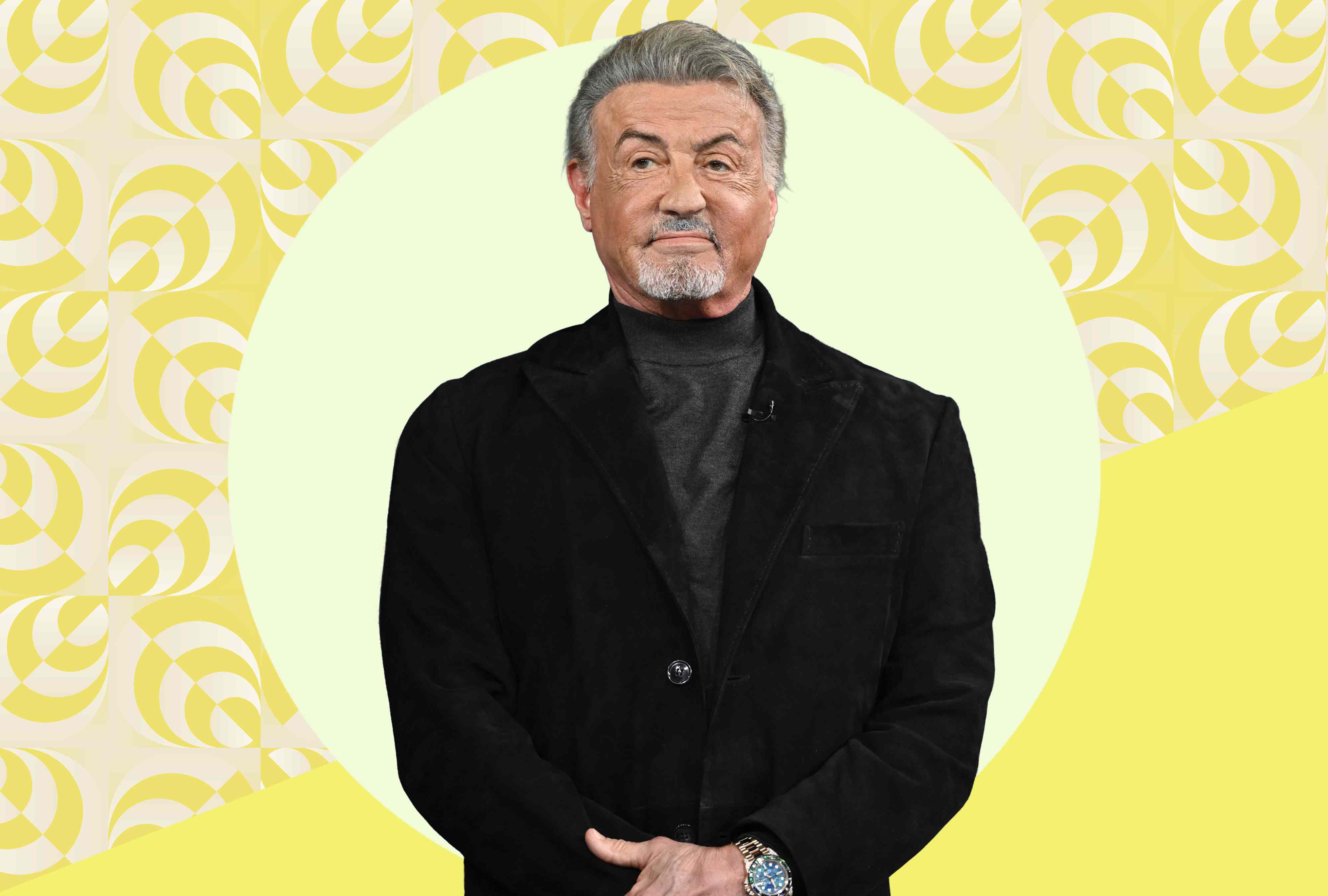
Credit: Stallone: Todd Owyoung/NBC via Getty Images. EatingWell design.
Reviewed by Dietitian Katey Davidson, M.Sc.FN, RD, CPT
Key Points -
Sylvester Stallone revealed his obsessive fitness led to bulimia, challenging stereotypes about eating disorders.
Research shows over 21% of men may face eating disorders, yet stigma often keeps them from seeking help.
Stallone’s story highlights the need for visibility to break stigma and support men’s mental health struggles.
Sylvester Stallone built a career on playing men who look invincible—larger than life characters like Rocky Balboa and John Rambo. Both men had bodies carved from years of relentless training. But in a recent interview with the New York Times, the actor shared a side of that image most fans never saw: the physical and mental toll it took to look that way.
Stallone revealed that his drive to stay in peak shape for those roles pushed him into dangerous territory with food and his body. What started as commitment to a character turned into something far more consuming.
Sitting down with the New York Times, Stallone described how his focus on staying lean and muscular spiraled into an obsession. “I became so obsessed with staying at that point of fitness,” he said. He called it “an obsessive body worship kind of thing.”
Eventually, that obsession led to an eating disorder. “It came to a point where I became bulimic,” Stallone explained.
His honesty is striking, in part because it challenges what many people assume about who develops eating disorders. Eating disorders are often thought of as conditions that mostly affect girls and women. That assumption has shaped decades of research, and it has left men underrepresented in the science. But newer studies are starting to fill in the picture, and the numbers may surprise you.
A 2025 study of 1,553 boys and men across Canada and the United States found that 21.3% met the criteria for a probable eating disorder diagnosis. That’s more than one in five. Among this group, bulimia nervosa was the most common, showing up in about 5.8% of participants. That detail feels especially relevant given what Stallone described.
The researchers of this study pointed to a long-standing problem: eating disorders have historically been misunderstood as “female disorders,” which has skewed both public awareness and scientific study. But if eating disorders affect this many men, why do we hear about them so rarely? A big part of the answer comes down to stigma and the pressure to appear tough.
Advertisement
A 2022 review that pulled together findings from multiple qualitative studies explored what it’s actually like to be a man living with an eating disorder. One theme came up again and again: Many men felt they were dealing with what society treats as a “woman’s illness.” That mismatch made their experience harder to name, harder to talk about and harder to get help with.
The researchers described how shame and fear of judgment pushed men to hide their struggles. Masculine norms, like an expectation to “man up” and stay strong, often stood in the way of seeking treatment, per this study. Some men weren’t even sure a man could have an eating disorder in the first place.
The authors of the review note that when men aren’t expected to worry about food, body image or their emotions, they can end up suffering in silence, sometimes without recognizing what’s happening to them. And when the people around them, including some health professionals, don’t expect men to have eating disorders, the condition can go unnoticed or misdiagnosed.
Here’s where a public figure like Stallone can make a real difference. When someone widely seen as the picture of physical toughness admits he battled bulimia, it chips away at the idea that eating disorders only happen to certain kinds of people.
Visibility matters. The research suggests that one of the biggest barriers men face is simply not seeing themselves in the conversation. Stories that break the stereotype can help someone recognize their own struggle and feel less alone in it.
None of this means recovery is simple, and one interview won’t undo years of silence around men’s mental health. But it’s a meaningful step.
Eating disorders are serious conditions, and they’re treatable. If you or someone you care about is dealing with disordered eating, know that help exists and that you deserve it, regardless of your gender or how you think you’re “supposed” to feel.
Consider reaching out to a doctor, a therapist or a trusted person in your life for support. If you don’t know where to start, the National Eating Disorders Association Hotline is available for call or text 24/7 at (800) 931-2237 and can help connect you with resources.
on EatingWell
Source: “AOL Entertainment”
